How to Make Restaurant-Quality Steakhouse Butter for Your Steaks

📋 Table of Contents
- Introduction: The Secret Behind Steakhouse Excellence
- What is Compound Butter?
- Why Restaurants Swear By Compound Butter
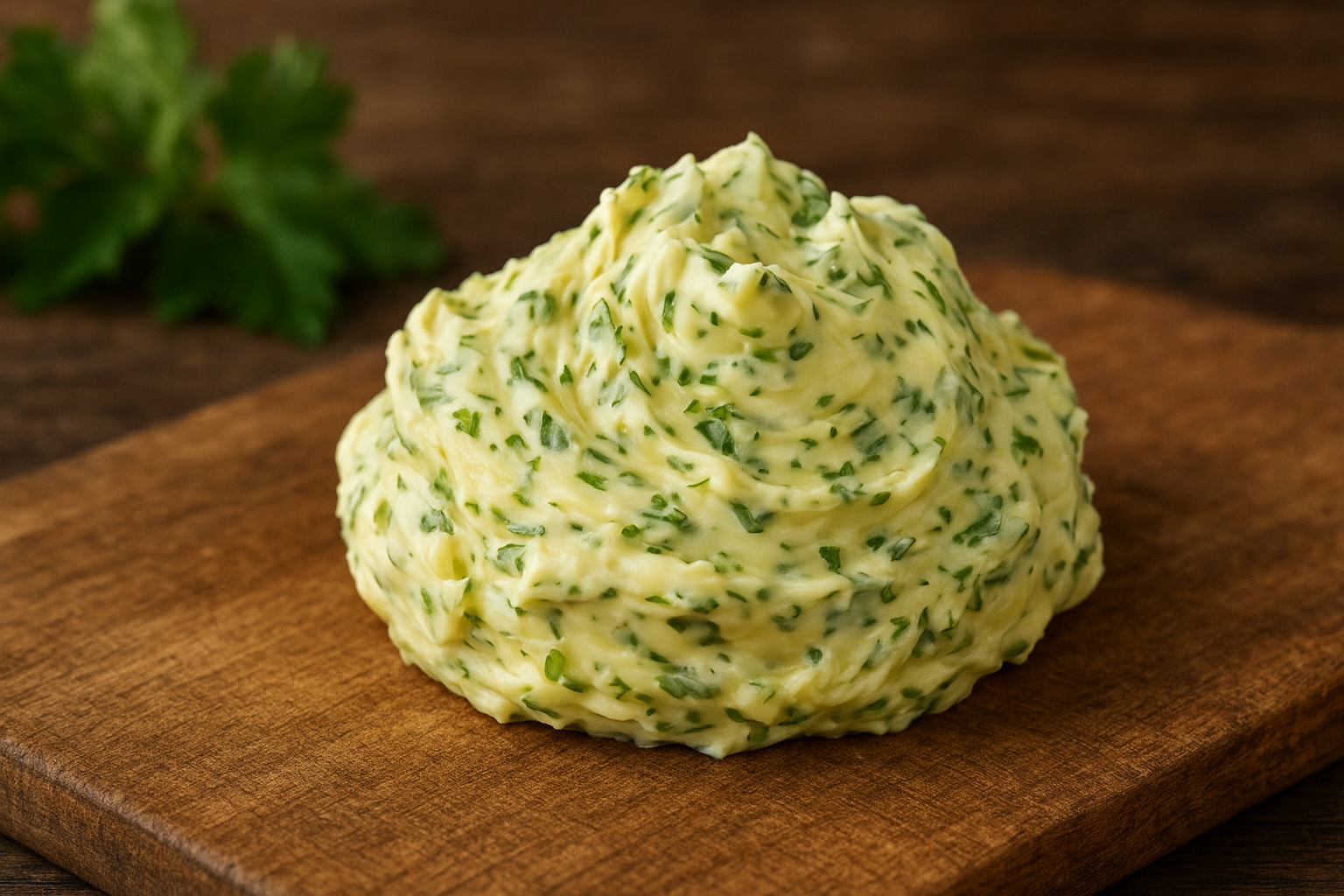
- The Master Recipe: Classic Steakhouse Butter
- Incredible Flavor Variations to Try
- Expert Preparation Tips
- Proper Storage Methods
- How to Serve Like a Pro
- Common Mistakes to Avoid
- Perfect Pairings Beyond Steak
- Conclusion
Introduction: The Secret Behind Steakhouse Excellence
Walk into any high-end steakhouse, and you’ll notice something magical happens when your perfectly cooked steak arrives at the table. Glistening on top is a pat of melting butter that transforms the dish from excellent to extraordinary. This isn’t ordinary butter—it’s compound butter, and it’s one of the most closely guarded secrets of professional kitchens.
The difference between a good steak at home and that unforgettable steakhouse experience often comes down to this finishing touch. While most home cooks focus entirely on cooking technique, professional chefs know that compound butter is the final flourish that elevates flavor, adds moisture, and creates that restaurant-worthy presentation. The best part? Creating restaurant-quality steakhouse butter at home is remarkably simple and costs a fraction of what you’d pay for that same experience dining out.
Compound butter isn’t just about adding richness. It’s a flavor delivery system that allows you to infuse your steak with herbs, aromatics, and seasonings that would burn if applied during cooking. As the butter melts over the hot meat, it bastes the surface, creating a luxurious sauce while the embedded flavors permeate every bite. Whether you’re preparing a special anniversary dinner, hosting a dinner party, or treating yourself to a premium cut from Omaha Steaks, mastering compound butter will transform your home cooking forever.
💡 Quick Success Tip
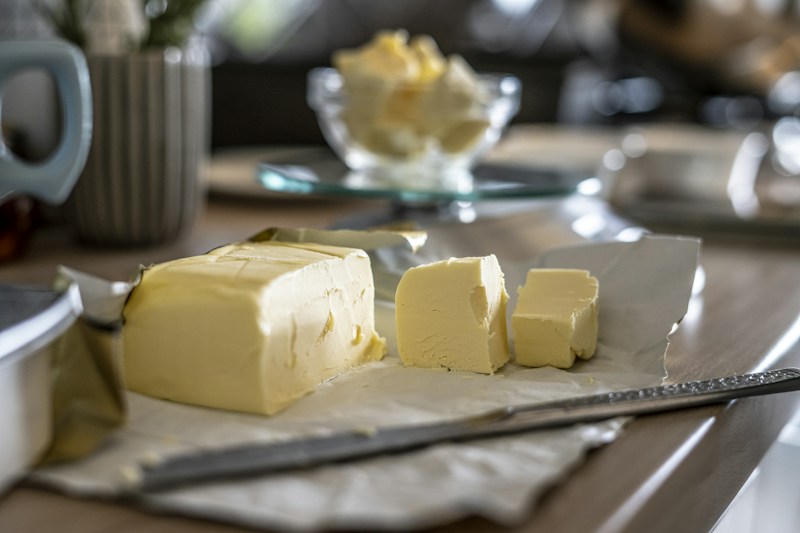
The golden rule of compound butter: always use high-quality, unsalted butter as your base. The butter’s flavor is the foundation, and premium butter makes a noticeable difference. Look for European-style butter with at least 82% butterfat for the richest, creamiest results that rival any steakhouse.
What is Compound Butter? Understanding the Basics
Compound butter, also known as beurre composé in French culinary terminology, is simply softened butter blended with additional ingredients like herbs, spices, aromatics, or other flavorings. This technique dates back centuries in French cuisine but has been adopted and perfected by steakhouses worldwide as the ultimate finishing touch for premium cuts of beef.
The Science Behind the Magic
Butter melts at approximately 90-95°F, which means it begins liquefying the moment it touches a hot steak. As it melts, the butter carries dissolved flavors across the meat’s surface, coating it in a thin layer of seasoned richness. The fat in butter also acts as a flavor solvent, extracting and distributing aromatic compounds from herbs and spices far more effectively than water-based preparations could.
Additionally, the Maillard reaction—the browning that creates those delicious flavors on a seared steak—produces compounds that are fat-soluble rather than water-soluble. This means butter-based finishing enhances and complements these flavors better than any other medium. It’s not just about adding richness; it’s about creating a complete flavor experience that ties everything together.
🎯 What Makes Great Compound Butter?
Quality Base: Premium unsalted butter with high fat content
Balanced Flavors: Herbs and seasonings that enhance rather than overpower
Proper Texture: Smooth, uniform consistency without separation
Fresh Ingredients: Herbs and aromatics at peak flavor
Correct Ratios: Enough seasoning to make an impact without overwhelming the butter
Compound Butter vs. Regular Butter
While plain butter certainly improves a steak, compound butter offers exponentially more complexity. Regular butter adds richness and helps conduct heat, but compound butter transforms into a complete sauce as it melts. The herbs, garlic, and seasonings mixed into the butter release their essential oils and flavors gradually, creating layers of taste that evolve with each bite.
Professional chefs prefer compound butter because it allows precise control over flavor profiles. Rather than hoping dry seasonings will stick to the meat or risking burned garlic during cooking, compound butter delivers these elements safely and effectively at the perfect moment—right when the steak is about to be enjoyed.

Why Restaurants Swear By Compound Butter
High-end steakhouses have relied on compound butter for generations, and for good reason. This technique solves several challenges that professional kitchens face when serving hundreds of steaks per night while maintaining consistent quality and presentation.
The Professional Advantages
| Benefit | How It Works | Impact on Dining Experience |
|---|---|---|
| Consistency | Pre-made batches ensure every steak gets identical seasoning | Guests receive the same excellent experience every visit |
| Efficiency | Applied in seconds during plating, no additional cooking needed | Faster service without sacrificing quality |
| Flavor Control | Delicate herbs and garlic won’t burn during high-heat cooking | Clean, pure flavors without bitterness |
| Visual Appeal | Creates glossy, appetizing sheen as it melts | Instagram-worthy presentation that looks luxurious |
| Temperature Buffer | Slightly cools the surface, preventing overcooking while resting | Perfect doneness maintained from kitchen to table |
The Economics of Excellence
From a business perspective, compound butter represents remarkable value. The ingredients cost pennies per serving, yet the perceived value they add is substantial. Diners consistently rate steaks finished with compound butter higher than identical steaks without it, even when they can’t identify exactly what makes the difference. This small touch justifies premium pricing and generates repeat customers.
✅ Restaurant Industry Secret
Most high-end steakhouses prepare compound butter in large batches every few days, rolling it into logs and freezing it. This allows them to slice off perfectly portioned medallions as needed. The frozen butter can go directly onto hot steaks without softening first—it melts at exactly the right rate to create that signature glossy finish without running off the plate. You can use this same technique at home for weeks of convenience.
The Signature Touch
Many famous steakhouses have developed proprietary compound butter recipes that become part of their identity. These signature butters differentiate their brand and create customer loyalty. When diners return specifically for “that amazing butter” they remember from previous visits, restaurants know they’ve created something special. You can develop your own signature blend that becomes your personal calling card when entertaining.
The Master Recipe: Classic Steakhouse Butter
This is the foundation recipe used in countless steakhouses worldwide. Master this version, and you’ll have a versatile compound butter that enhances any cut of beef. The recipe makes approximately 8 servings, with each pat containing about 1 tablespoon of flavored butter.
Ingredients You’ll Need
- 1/2 cup (1 stick) unsalted butter – European-style preferred, softened to room temperature
- 2 cloves garlic – finely minced or pressed
- 2 tablespoons fresh parsley – finely chopped
- 1 tablespoon fresh chives – finely chopped
- 1 teaspoon fresh thyme leaves – stems removed
- 1/2 teaspoon sea salt – adjust to taste
- 1/4 teaspoon black pepper – freshly ground
- 1/2 teaspoon lemon zest – optional but recommended
- 1/4 teaspoon Worcestershire sauce – adds umami depth
Step 1: Prepare Your Ingredients
Remove butter from refrigeration 30-45 minutes before starting, allowing it to soften to room temperature. It should be easily spreadable but not melted. Finely chop all herbs—the finer the better for smooth texture. Mince garlic extremely fine or use a garlic press for best results. Measure all ingredients and have them ready before beginning.
Step 2: Combine and Mix
Place the softened butter in a medium mixing bowl. Add all remaining ingredients. Using a fork or spatula, mash and stir vigorously until everything is thoroughly incorporated and the mixture is uniform. The butter should be fluffy and all ingredients evenly distributed. This takes 2-3 minutes of mixing. For extra-smooth texture, use a hand mixer on low speed for 30 seconds.
Step 3: Shape the Butter Log
Lay a sheet of plastic wrap or parchment paper (about 12 inches long) on your counter. Spoon the compound butter onto the center of the wrap in a rough line. Fold the wrap over the butter and use your hands to gently roll and shape it into a uniform log about 1.5 inches in diameter. Twist the ends of the wrap tightly in opposite directions, like a candy wrapper, to compact and shape the log.
Step 4: Chill and Store
Refrigerate the wrapped butter log for at least 2 hours until firm. For immediate use, 30 minutes in the freezer works. Once solid, you can slice perfect medallions as needed. Store refrigerated for up to 1 week, or frozen for up to 3 months. Label with the date and flavor if making multiple varieties.

💡 Pro Mixing Tip
For the smoothest, most professional compound butter, use a food processor. Pulse softened butter with all ingredients until just combined, scraping down sides as needed. This creates an incredibly smooth texture and ensures perfect distribution of flavors. However, be careful not to over-process, which can cause the butter to separate and become grainy. Pulse 8-10 times maximum.
Slicing and Portioning
When ready to use, remove the log from the refrigerator and let it sit for 2-3 minutes to slightly soften. Using a sharp knife, slice medallions about 1/4 inch thick—this provides the perfect amount per serving. Each slice should hold its shape but will begin melting immediately when placed on a hot steak. If slicing from frozen, the butter cuts more cleanly but will take slightly longer to melt on the steak.
Incredible Flavor Variations to Try
Once you’ve mastered the classic recipe, exploring flavor variations opens endless possibilities. These professionally inspired versions each bring unique character while maintaining the compound butter technique that makes them so effective.
Blue Cheese & Black Pepper Butter
Bold and assertive, this variation is perfect for those who love intense flavors. The pungent blue cheese melts into the butter, creating a creamy sauce reminiscent of high-end steakhouse dressings.
- 1/2 cup unsalted butter, softened
- 1/4 cup crumbled blue cheese (Roquefort, Gorgonzola, or Stilton)
- 1 tablespoon coarsely cracked black pepper
- 1 teaspoon Worcestershire sauce
- 1 tablespoon fresh chives, minced
Roasted Garlic & Rosemary Butter
Sophisticated and aromatic, roasted garlic provides sweet, mellow depth without the harsh bite of raw garlic. The rosemary adds pine-like freshness that complements beef beautifully.
- 1/2 cup unsalted butter, softened
- 6 cloves roasted garlic, mashed to paste
- 1 tablespoon fresh rosemary, finely minced
- 1/2 teaspoon sea salt
- 1/4 teaspoon black pepper
- 1 teaspoon lemon juice
🎯 Quick Roasted Garlic Method
Don’t have time for traditional roasted garlic? Microwave method: Peel garlic cloves, place in small microwave-safe bowl with 1 tablespoon olive oil, cover with plastic wrap, and microwave on 50% power for 3-4 minutes until soft and golden. Cool before mashing. This provides similar sweetness and depth in a fraction of the time.
Spicy Jalapeño Lime Butter
For those who enjoy heat, this Southwestern-inspired variation brings bright citrus and moderate spice. Perfect for grilled steaks in summer or when you want to deviate from traditional steakhouse flavors.
- 1/2 cup unsalted butter, softened
- 1 jalapeño pepper, seeds removed, finely minced
- Zest of 1 lime
- 1 tablespoon fresh cilantro, chopped
- 1/4 teaspoon cumin
- 1/4 teaspoon smoked paprika
- Pinch of cayenne pepper
Truffle & Parmesan Butter
Ultra-luxurious and intensely savory, this variation transforms any steak into a special occasion dish. The earthy truffle oil and nutty Parmesan create complex umami flavors.
- 1/2 cup unsalted butter, softened
- 2 tablespoons finely grated Parmesan cheese
- 1 teaspoon white truffle oil (use black truffle oil for stronger flavor)
- 1 tablespoon fresh parsley, minced
- 1 small shallot, finely minced
- 1/4 teaspoon sea salt
- Pinch of white pepper
Coffee & Cocoa Butter (Espresso Rub Style)
Inspired by popular espresso steak rubs, this unexpected combination adds deep, complex flavors with subtle bitterness that complements charred meat perfectly. The cocoa provides earthiness without sweetness.
- 1/2 cup unsalted butter, softened
- 1 tablespoon finely ground espresso or coffee
- 1 teaspoon unsweetened cocoa powder
- 1 teaspoon brown sugar
- 1/2 teaspoon smoked paprika
- 1/4 teaspoon chipotle powder
- 1/4 teaspoon sea salt
Herb Garden Medley Butter
When you have access to multiple fresh herbs, this variation showcases their individual flavors while creating a harmonious blend. It’s the ultimate expression of fresh, green flavors.
- 1/2 cup unsalted butter, softened
- 1 tablespoon fresh parsley, minced
- 1 tablespoon fresh chives, minced
- 1 teaspoon fresh tarragon, minced
- 1 teaspoon fresh thyme leaves
- 1 teaspoon fresh oregano, minced
- 2 cloves garlic, pressed
- 1/2 teaspoon lemon zest
- 1/4 teaspoon sea salt
✅ Flavor Development Tip
Compound butter tastes better after 24 hours of refrigeration. This resting period allows flavors to meld and mature, creating a more cohesive taste. If possible, make your compound butter a day ahead of when you plan to serve it. The difference is subtle but noticeable, especially with garlic and herb-forward versions.
Expert Preparation Tips for Perfect Results
The difference between good compound butter and exceptional compound butter often comes down to technique and attention to detail. These professional tips ensure consistently outstanding results.
Butter Temperature Matters
Room temperature butter should be soft enough to easily spread but not melted or oily. If butter is too cold, ingredients won’t incorporate smoothly and you’ll have chunks of unmixed seasonings. If too warm, the butter becomes greasy and may separate. The ideal temperature is 65-68°F—it should yield easily to pressure but still hold its shape. If you’re in a hurry, cut cold butter into small cubes to speed softening, but never microwave it as this causes uneven heating and separation.
Knife Skills for Herbs
Finely minced herbs are crucial for smooth texture. Large herb pieces create an uneven consistency and can feel like biting into twigs. Use a sharp chef’s knife and rock it back and forth repeatedly until herbs are almost paste-like. Alternatively, use kitchen shears to snip herbs directly into the bowl. For woody herbs like rosemary, remove leaves from stems completely and mince extra-fine since their structure is tougher.
⚠️ Critical Warning About Dried Herbs
While fresh herbs are always preferred, you can substitute dried herbs in a pinch. However, use only one-third the amount since dried herbs are more concentrated. For example, if a recipe calls for 1 tablespoon fresh parsley, use 1 teaspoon dried. Also note that dried herbs should be added to butter that’s been warmed slightly (not melted) to help them rehydrate and release their flavors. Let this mixture cool before shaping. Never use dried herbs in the same quantities as fresh—the result will be overwhelmingly strong and unpleasant.
The Garlic Dilemma
Raw garlic can be overpowering in compound butter, and its intensity increases over time. For milder garlic flavor, sauté minced garlic in 1 teaspoon of butter for 30 seconds until fragrant but not browned, then cool completely before adding to your butter mixture. This removes garlic’s harsh bite while preserving its savory essence. For maximum garlic flavor without harshness, use roasted garlic, which provides sweet, mellow depth.
Achieving Smooth Texture
Professional compound butter should be perfectly smooth without lumps or separation. After mixing, scrape the butter mixture onto a large sheet of plastic wrap. Fold the wrap over and use the edge of a bench scraper or ruler to push and smooth the butter, eliminating air pockets. This technique, used in professional kitchens, creates a more refined texture than simple stirring alone.
Preventing Separation
If compound butter appears separated or greasy, your butter was too warm when mixed, or ingredients added too much liquid. To fix separated butter: refrigerate for 15 minutes, then re-whip vigorously. The cooling firms the fat molecules, allowing them to re-emulsify. To prevent this issue, always pat herbs dry after washing and ensure any wet ingredients (like lemon juice) are added in tiny amounts.
💡 Make-Ahead Strategy
Compound butter is ideal for meal prep. Make multiple logs with different flavors, wrap each individually, label with flavor and date, and freeze. They’ll keep for 3 months frozen. Having a variety on hand means you can offer guests options: “Would you prefer classic herb, blue cheese, or garlic rosemary on your steak?” This small touch creates a restaurant experience at home and shows impressive attention to detail.
Proper Storage Methods for Maximum Freshness
Correct storage extends compound butter’s shelf life while maintaining optimal flavor and texture. Understanding proper storage techniques prevents waste and ensures you always have restaurant-quality butter ready when needed.
Refrigerator Storage
Wrapped compound butter logs keep well in the refrigerator for up to one week. Use plastic wrap or parchment paper for the initial wrap, then place in a zip-top bag or airtight container to prevent absorption of other refrigerator odors. Butter is remarkably good at picking up surrounding flavors, so isolation is important. Store in the main body of the refrigerator rather than the door, where temperature fluctuates more frequently.
Freezer Storage for Long-Term Keeping
Freezing is ideal for compound butter since it extends shelf life to 3 months without any loss of quality. The high fat content of butter freezes beautifully without textural changes. For easiest use, slice your butter log into individual medallions before freezing, then separate slices with small pieces of parchment paper. Store the pre-sliced portions in a freezer bag. This allows you to remove exactly the amount you need without thawing the entire log.
| Storage Method | Shelf Life | Best Uses |
|---|---|---|
| Room Temperature | 2-3 hours maximum | Immediate serving, spreading on bread |
| Refrigerated (wrapped) | Up to 7 days | Weekly meal prep, regular use |
| Refrigerated (container) | Up to 10 days | Extra protection for strong-flavored varieties |
| Frozen (log) | Up to 3 months | Long-term storage, special occasions |
| Frozen (pre-sliced) | Up to 3 months | Ultimate convenience, no thawing needed |
Thawing and Serving from Frozen
One of the beautiful aspects of frozen compound butter is that it often requires no thawing. Place a frozen medallion directly onto a hot steak fresh from the grill or pan—it will begin melting immediately. The gradual melt rate actually works perfectly, preventing the butter from running off the steak before it’s plated. If you prefer working with softened butter, transfer to the refrigerator for 2-3 hours or leave at room temperature for 45 minutes.
✅ Professional Storage Hack
Restaurant kitchens often use this trick: after shaping compound butter into logs, roll them in plastic wrap, then place them inside empty paper towel tubes. The rigid tube protects the butter from getting squashed in the freezer and makes them easier to stack. Cut the tube to the length of your butter log, wrap each end with plastic wrap, and label the outside. This keeps perfect cylindrical shape and prevents freezer burn.
Signs Your Compound Butter Has Spoiled
While compound butter is quite shelf-stable due to butter’s low moisture content, it can eventually go bad. Signs of spoilage include: off-smell (rancid or cheesy odor), discoloration (yellowing or darkening beyond the original color), mold growth (typically on herb pieces), or unusual texture (slimy or separated). When in doubt, throw it out. The cost of ingredients doesn’t justify risking foodborne illness.
Butter Bells and Crocks
For shorter-term storage with easy access, consider a French butter crock or butter bell. These specialized containers keep butter at spreadable consistency without refrigeration for up to 30 days. They work through a water seal that keeps air away from the butter. While traditionally used for plain butter, they work excellently for compound butter you plan to use within a few days. Change the water every 2-3 days for best results.
How to Serve Compound Butter Like a Pro
Knowing when and how to apply compound butter makes all the difference between good results and restaurant perfection. Timing, placement, and presentation all contribute to the final experience.
The Optimal Moment for Application
Apply compound butter immediately after removing the steak from heat, while it’s still sizzling hot but before it begins resting. The residual heat will start melting the butter, creating that signature glossy appearance. During the resting period, the melting butter bastes the meat’s surface while flavors infuse. By the time you serve the steak, the butter will have created a light sauce pooling around the meat.
Perfect Timing Sequence
Step 1: Cook steak to 5°F below target temperature
Step 2: Remove from heat and transfer to serving plate or cutting board
Step 3: Immediately place 1 medallion (about 1 tablespoon) of compound butter on top center
Step 4: Tent loosely with foil and rest for 5-10 minutes
Step 5: Serve with the melted butter pooled around the steak
Placement Technique
Position the butter medallion at the highest point of the steak so gravity helps it melt down and around all sides as it liquefies. For extra presentation appeal, slightly angle your steak when plating so the melting butter cascades visually. The butter should pool slightly on the plate, creating a light sauce you can spoon over each bite.
Quantity Guidelines
Use 1-2 tablespoons (1-2 medallions) per 8-ounce steak. More than this becomes excessive and greasy rather than enhancing. Remember that compound butter is intensely flavored—a little goes a long way. For smaller cuts or when serving multiple preparations, reduce to 1/2-1 tablespoon per serving.
Restaurant Plating Techniques
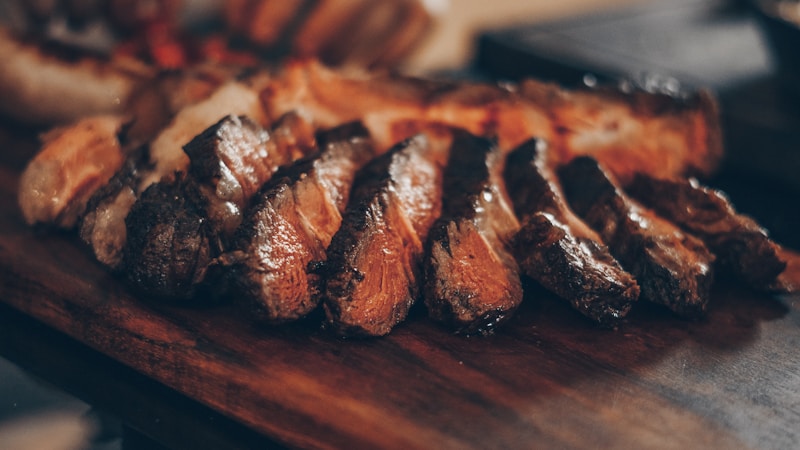
Professional plating elevates the entire experience. Warm your serving plates by running them under hot water or placing them in a 200°F oven for 5 minutes. This prevents the butter from solidifying on contact with a cold plate. Position the steak slightly off-center, place the compound butter medallion on top, and arrange sides thoughtfully around the plate. A small garnish of fresh herbs matching those in your butter adds visual appeal and aromatic cues.
🎯 Advanced Presentation: Butter Coins
For impressive presentation, create “butter coins” by slicing your compound butter log very thin (1/8 inch) and using small cookie cutters to create decorative shapes—stars, hearts, or circles. Place 2-3 small shaped pieces on the steak instead of one large medallion. As they melt, they create an artistic pattern. This technique is particularly effective for special occasions and shows exceptional attention to detail. Use the butter trimmings for everyday cooking.
Table Service Style
For a different approach, serve compound butter separately at the table in a small ramekin or butter dish. This allows guests to add butter to their preference and creates an interactive element. Present the butter at room temperature for easy spreading. This method works especially well when offering multiple butter varieties—guests enjoy choosing their favorite or trying combinations.
Beyond Steaks: Other Applications
While compound butter is legendary on steaks, don’t limit yourself. It’s transformative on:
- Grilled Chicken: Place on hot chicken breasts immediately after grilling
- Seafood: Particularly excellent on grilled salmon, sea bass, or lobster tail
- Vegetables: Toss hot roasted or grilled vegetables with a pat of herb butter
- Baked Potatoes: Split hot potatoes and add compound butter for instant steakhouse sides
- Corn on the Cob: Roll hot corn in softened compound butter
- Fresh Bread: Spread on warm bread or dinner rolls
- Pasta: Toss with hot pasta for simple but elegant sauce
- Rice: Stir into hot rice for added flavor and richness
Common Mistakes to Avoid
Learning from others’ errors saves time and ingredients. These frequent mistakes can sabotage otherwise perfect compound butter, but they’re all easily preventable once you’re aware of them.
❌ Critical Errors to Avoid
- Using salted butter as the base (creates overly salty result)
- Adding ingredients while butter is too cold (poor incorporation)
- Melting butter instead of softening (causes separation)
- Washing herbs without drying them thoroughly (adds excess moisture)
- Using too much of any single ingredient (creates imbalance)
- Applying butter before cooking instead of after (butter burns)
- Storing without proper wrapping (absorbs refrigerator odors)
- Using stale or dried-out herbs (muted flavors)
✅ Success Habits to Adopt
- Always start with unsalted, high-quality butter
- Test butter temperature—should be easily spreadable
- Let butter soften naturally at room temperature
- Pat herbs completely dry with paper towels
- Taste and adjust seasoning before shaping
- Add butter only to cooked, resting meat
- Double-wrap butter for storage (plastic wrap + bag)
- Use fresh herbs for maximum flavor impact
- Make small test batches when trying new flavors
Mistake #1: Wrong Butter Temperature
This is the most common error. Cold butter won’t accept other ingredients properly, creating a lumpy, uneven mixture. Melted butter separates and becomes greasy, losing its stable structure. The butter must be genuinely soft—it should feel like thick peanut butter when you press it. Plan ahead and remove butter from refrigeration at least 45 minutes before mixing. In winter or cold kitchens, you may need even more time.
Mistake #2: Overseasoning
Because compound butter concentrates flavors, what seems like a modest amount of garlic or herbs in the mixing bowl becomes quite pronounced when melted. Start conservatively—you can always add more, but you can’t remove excess. A good rule: if the uncooked butter smells strongly of a particular ingredient, it’s probably too much. The flavors should be noticeable but balanced when you taste a small amount of the raw butter.
⚠️ The Garlic Warning
Raw garlic becomes more pungent over time as enzymes continue breaking down cell structures. Compound butter that tastes perfect when freshly made can become overwhelmingly garlicky after 3-4 days in the refrigerator. If making butter for storage, reduce raw garlic by half or use roasted garlic exclusively. This is why many restaurants use roasted garlic in their compound butters—it provides garlic flavor that remains stable over time.
Mistake #3: Poor Shaping Technique
Loosely rolled or unevenly shaped logs create irregular slices that look unprofessional and melt unevenly. Take time to shape your butter log properly using the plastic wrap technique. Roll it back and forth on the counter while wrapped to create uniform diameter. A properly shaped log should be completely smooth with consistent thickness throughout. This attention to detail makes slicing easier and results more professional.
Mistake #4: Adding Liquid Ingredients Carelessly
Lemon juice, Worcestershire sauce, and other liquids can cause butter to split if added too quickly or in too great a quantity. Always add liquids drop by drop, mixing thoroughly between additions. If you need more acidity or liquid flavor, consider using zest instead of juice—it provides flavor without moisture. Maximum liquid addition should never exceed 1 teaspoon per stick of butter.

Mistake #5: Applying Butter to Cold Steak
Compound butter won’t melt properly on a cold or room-temperature steak. The butter must hit hot meat to create that signature melting effect and develop the sauce-like consistency. If reheating leftover steak, do so completely first, then add fresh compound butter to the hot meat. Never add butter before reheating—it won’t produce the desired effect.
Mistake #6: Mixing Incompatible Flavors
Not all ingredients complement each other. Mint and beef, for example, is an unusual pairing that most find off-putting. Overly sweet additions like honey (except in very small amounts) clash with savory beef. Before creating experimental flavors, research flavor pairing principles or start with proven combinations. Test small batches before committing to large quantities of an untried flavor combination.
💡 Flavor Testing Tip
Before shaping your entire batch, take a small spoonful of mixed compound butter and spread it on a piece of warm toast or a plain cracker. This gives you an immediate sense of how the flavors work together and allows you to adjust seasoning before committing. The flavors won’t be identical to how they taste on steak, but you’ll get a good sense of balance and intensity. Adjust salt, herbs, or aromatics based on this test.
Perfect Pairings Beyond Steak
While compound butter is synonymous with steak, its versatility extends far beyond beef. Understanding which butter varieties complement different proteins and dishes multiplies your culinary options exponentially.
Matching Butter to Protein
| Protein | Recommended Butter | Why It Works |
|---|---|---|
| Ribeye, Strip Steak | Classic Herb, Blue Cheese & Pepper | Rich cuts need bold flavors to match their intensity |
| Filet Mignon | Classic Herb, Truffle Parmesan, Roasted Garlic | Delicate beef benefits from refined, sophisticated flavors |
| Grilled Chicken | Herb Garden, Lemon & Dill, Roasted Garlic | Chicken’s mild flavor pairs with lighter, fresher herbs |
| Salmon | Lemon Dill, Herb Garden (without rosemary) | Fish needs bright, clean flavors that won’t overpower |
| Pork Chops | Herb Garden, Apple Sage (custom blend) | Pork’s sweetness complements both savory and sweet-savory blends |
| Lamb | Roasted Garlic Rosemary, Herb Garden with Mint | Lamb’s distinct flavor stands up to strong herbs |
| Lobster, Shrimp | Classic Herb, Lemon varieties, Mild Garlic | Shellfish needs subtle enhancement, not competition |
Vegetable and Side Dish Applications
Compound butter transforms simple vegetables into restaurant-worthy sides. The key is matching butter intensity to vegetable flavor—delicate vegetables need subtle butters, while robust vegetables can handle bolder flavors.
- Asparagus: Lemon-herb butter or classic herb butter
- Brussels Sprouts: Blue cheese butter or bacon-infused butter
- Corn: Jalapeño lime butter or classic herb butter
- Green Beans: Garlic herb butter or almond-brown butter blend
- Mushrooms: Truffle butter or roasted garlic butter
- Baked Potatoes: Any savory variety, especially loaded with bacon, chives, cheese
- Sweet Potatoes: Chipotle-lime butter or maple-cinnamon butter (sweet variation)
Carb-Based Pairings
Compound butter elevates simple carbohydrates into memorable sides. These applications work particularly well when serving premium cuts from Omaha Steaks package deals, creating a complete steakhouse experience at home.
- Fresh Bread: Serve room-temperature compound butter alongside warm artisan bread
- Dinner Rolls: Brush hot rolls with melted compound butter
- Garlic Bread: Use garlic-herb butter instead of plain garlic butter for elevated flavor
- Pasta: Toss with herb butter for instant sauce (add pasta water to create emulsion)
- Rice Pilaf: Stir in herb butter just before serving
- Polenta: Swirl in roasted garlic or truffle butter while creamy
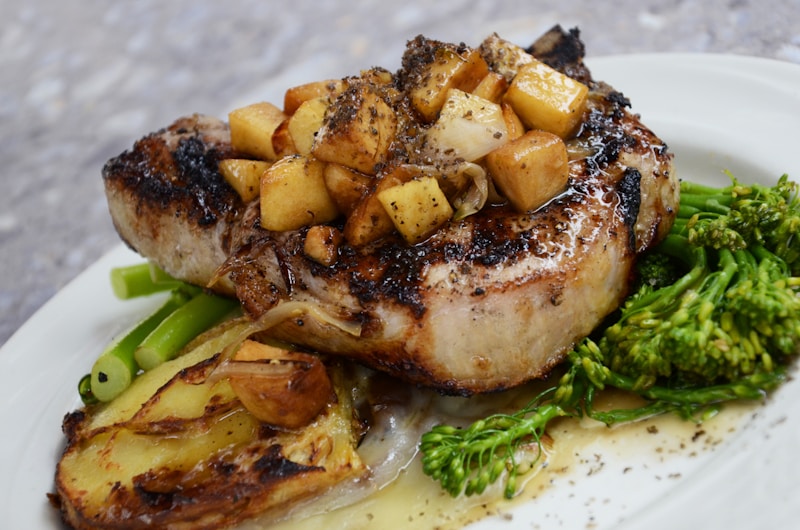
Creating a Compound Butter Board
For entertaining, create a “butter board” featuring 3-4 different compound butter varieties. This interactive appetizer or side presentation allows guests to sample different flavors and choose their favorites. Arrange small scoops or slices of each butter variety on a wooden board with labels, accompanied by warm bread, crackers, and perhaps grilled vegetables. This creates conversation and showcases your culinary creativity.
✅ Entertaining Pro Tip
When hosting a steak dinner, prepare two complementary butter varieties—one classic (herb or garlic) and one bold (blue cheese or truffle). Place both on the table and let guests choose or try both. This small touch shows thoughtfulness and accommodates different preferences. Most guests will appreciate having options, and it generates discussion about flavor profiles. Always identify which is which with small labels or verbal explanation.
Wine and Butter Pairing Considerations
Compound butter affects wine pairing since it adds richness and specific flavors to your dish. Rich butters (blue cheese, truffle) pair better with fuller-bodied wines like Cabernet Sauvignon or aged Bordeaux. Lighter herb butters work well with medium-bodied wines like Merlot or Pinot Noir. If your butter includes citrus, consider wines with higher acidity to complement rather than clash. When planning a wine-paired dinner, match your wine to both the meat and the butter for optimal harmony.
Conclusion: Elevate Every Meal with Compound Butter Mastery
Creating restaurant-quality compound butter at home is one of the simplest yet most impactful techniques you can master. With minimal effort and inexpensive ingredients, you’ve learned how to transform any steak into a steakhouse-worthy experience that rivals what you’d pay premium prices for at high-end restaurants.
The beauty of compound butter lies in its versatility and make-ahead convenience. Whether you’re preparing an intimate dinner for two or hosting a large gathering, having homemade compound butter ready in your freezer means you’re always minutes away from restaurant-quality results. The technique works equally well on premium cuts like those from Omaha Steaks or more economical options, elevating everything it touches.
🎁 Ready to Create Your Own Steakhouse Experience?
Pair your homemade compound butter with premium, perfectly aged steaks delivered to your door!
Browse exclusive Omaha Steaks collections and create unforgettable meals
Explore Premium Steaks →Your Compound Butter Journey Starts Now
Begin with the classic herb butter recipe provided in this guide. Master the technique, then gradually experiment with the flavor variations that appeal to your palate. Keep notes on what you create—your favorite combinations will become signature recipes you make again and again. Within a few attempts, preparing compound butter will become second nature, requiring no recipe at all.
Remember the fundamental principles: high-quality unsalted butter, properly softened to room temperature, thoroughly mixed with fresh ingredients, shaped carefully, and stored correctly. These basics guarantee success regardless of which flavor variations you explore. As your confidence grows, develop your own custom blends based on seasonal ingredients or personal preferences.
Building Your Compound Butter Repertoire
- Start with Classics: Master the basic herb butter before venturing into bold flavors
- Document Success: Keep notes on quantities and combinations you love
- Experiment Gradually: Try one new variation per month to build your collection
- Stock Your Freezer: Maintain 2-3 varieties frozen for spontaneous culinary excellence
- Share Your Creations: Gift compound butter to food-loving friends and family
- Teach Others: Pass this knowledge to others who appreciate great food
“The difference between ordinary cooking and extraordinary cooking often comes down to small, thoughtful touches. Compound butter represents this philosophy perfectly—a simple preparation that demonstrates care, knowledge, and attention to detail. It’s not about complexity; it’s about understanding how to maximize flavor and create memorable experiences around the table.” — Julia Child, Culinary Icon
The investment required to master compound butter is minimal—a stick of butter, some fresh herbs, and fifteen minutes of your time. The returns, however, are substantial: the ability to consistently deliver restaurant-quality results, the confidence to entertain without anxiety, and the satisfaction of knowing you’ve mastered a technique that professional chefs rely on daily.
Beyond the practical benefits, compound butter represents a mindset shift in home cooking. It demonstrates that restaurant magic isn’t about secret recipes or specialized equipment—it’s about understanding fundamental techniques and applying them thoughtfully. This knowledge empowers you to approach all cooking with greater confidence and creativity.
💡 Your Next Challenge
Set a goal to prepare three different compound butter varieties this month. Try the classic herb butter first, then experiment with one bold variation (blue cheese or truffle) and one bright variation (jalapeño lime or lemon herb). Use them on different proteins throughout the month. By month’s end, you’ll have practical experience with multiple flavor profiles and understand which applications you enjoy most. Document your results and you’ll have a personalized compound butter playbook for life.
The Ripple Effect of Culinary Excellence
When you serve a perfectly cooked steak topped with homemade compound butter, people notice. They may not be able to articulate exactly what makes it special, but they recognize quality and care. This attention to detail creates memorable dining experiences that strengthen relationships and create lasting impressions. Food prepared with knowledge and thoughtfulness nourishes more than just the body—it nourishes connections between people.
As you develop your compound butter skills, you’ll likely find yourself exploring other culinary techniques and becoming more adventurous in the kitchen. This is the natural progression of cooking mastery—one technique builds confidence that leads to exploring another. Compound butter is an excellent entry point because it delivers impressive results while teaching fundamental principles about fat, flavor, and timing.
Don’t let another week pass serving steaks without this transformative finishing touch. Gather your ingredients, set aside thirty minutes, and create your first batch of restaurant-quality compound butter today. Your next steak dinner will never be the same, and everyone who tastes your cooking will immediately notice the difference. The path from home cook to confident chef begins with small steps like this—simple techniques that create outsized impact.
Welcome to the world of compound butter mastery. Your steaks—and your dinner guests—will thank you.
🎯 Quick Recap: The Essentials
Base: High-quality unsalted butter, properly softened (65-68°F)
Ratio: 1/2 cup butter to 2-3 tablespoons total mix-ins
Technique: Mix thoroughly, shape into log, refrigerate or freeze
Application: Place on hot, resting meat immediately after cooking
Storage: Refrigerate up to 1 week, freeze up to 3 months
Result: Restaurant-quality flavor and presentation every single time
Share This Article: