How to Choose the Right Steak Cut for Any Occasion

📋 Table of Contents
- Introduction: Mastering Steak Selection
- Understanding What Makes Each Cut Unique
- Premium Cuts for Special Celebrations
- Versatile Cuts for Everyday Excellence
- Budget-Friendly Cuts That Deliver Big Flavor
- Showstopper Cuts for Entertaining
- Best Cuts for Grilling and BBQ
- Expert Selection and Buying Tips
- Pairing Steaks with Occasions
- Conclusion
Introduction: Mastering Steak Selection
Selecting the perfect steak cut transforms any meal from ordinary to extraordinary. Whether you’re planning an intimate romantic dinner, hosting a backyard barbecue with friends, or preparing a weeknight family meal, understanding the unique characteristics of different steak cuts empowers you to make confident choices every single time.
The world of steak cuts can feel overwhelming with its seemingly endless options, from tender filet mignon to richly marbled ribeye, from affordable sirloin to impressive porterhouse. Each cut brings its own personality to the table—distinct textures, varying flavor intensities, different price points, and ideal cooking methods that showcase their best qualities.
In this comprehensive guide, we’ll demystify steak selection by walking you through the most popular cuts available, matching them with perfect occasions, and providing expert insights that help you become a confident steak buyer. By the end, you’ll know exactly which cut to choose for romantic dinners, casual gatherings, budget-conscious meals, and everything in between. Let’s discover how to elevate your next steak experience by choosing precisely the right cut for your occasion.
💡 Quick Success Tip
The three key factors when choosing a steak cut are: the occasion’s formality level, your cooking method, and your budget. Match these three elements correctly, and you’ll create memorable dining experiences that satisfy everyone at your table.
Understanding What Makes Each Cut Unique
Before diving into specific occasions, it’s essential to understand the fundamental differences between steak cuts. The location where a cut comes from on the animal dramatically influences its tenderness, flavor profile, marbling level, and ideal preparation methods.
The Anatomy of Beef Cuts
Cattle are divided into eight primary sections called primal cuts: chuck, rib, loin, round, flank, short plate, brisket, and shank. The most desirable steaks come primarily from three areas where muscles receive minimal exercise during the animal’s lifetime.
The rib section produces incredibly marbled, flavorful cuts like ribeye and prime rib. Located along the upper rib cage, these muscles stay relatively inactive, resulting in exceptional tenderness combined with rich, beefy flavor from abundant intramuscular fat.
The short loin delivers the most tender cuts including filet mignon, strip steak, T-bone, and porterhouse. This section sits behind the ribs and contains the tenderloin—the single most tender muscle in the entire animal—alongside the flavorful strip loin.
The sirloin section bridges the gap between premium and economical cuts, offering good tenderness and robust beef flavor at more accessible price points. While these muscles work slightly harder than loin cuts, proper preparation yields excellent results.
The Role of Marbling and Aging
Marbling refers to the white flecks and streaks of intramuscular fat distributed throughout the meat. When cooked, this fat melts and bastes the steak from within, creating that signature juicy, flavorful experience everyone craves. Generally speaking, more marbling translates to richer taste and more tender texture.
Quality beef also undergoes aging after processing. Dry-aging concentrates flavors and tenderizes meat through enzymatic breakdown, while wet-aging (vacuum-sealed aging) enhances tenderness while maintaining moisture. Premium suppliers like Omaha Steaks carefully age their beef to develop optimal flavor and texture before it reaches your kitchen.
🎯 Key Cut Characteristics
Tenderness: Determined by muscle location and activity level during the animal’s life
Flavor Intensity: Influenced by fat content, marbling, and specific muscle groups
Cooking Versatility: Some cuts tolerate various methods while others demand specific techniques
Price Point: Premium cuts with exceptional tenderness command higher prices
Visual Appeal: Bone-in cuts and well-marbled steaks create impressive presentations
Premium Cuts for Special Celebrations
When the occasion demands something extraordinary—anniversaries, proposals, milestone achievements, or simply showing someone how special they are—these premium cuts deliver unforgettable dining experiences that justify their elevated price tags.
Filet Mignon: The Pinnacle of Elegance
Filet mignon represents the undisputed champion of tender steaks. Cut from the beef tenderloin, this is the most tender cut available, featuring a buttery texture that practically melts in your mouth. Its mild, delicate beef flavor serves as a perfect canvas for rich sauces like béarnaise, red wine reduction, or peppercorn cream.
Best For: Valentine’s Day dinners, marriage proposals, anniversaries, promotion celebrations, or any occasion where you want to create a truly luxurious experience. The refined nature of filet mignon makes it ideal for romantic settings where elegance takes center stage.
Cooking Recommendations: Due to its low fat content, filet mignon cooks quickly over high heat to medium-rare or medium doneness. Many chefs wrap it in bacon to add moisture and flavor, creating the classic “bacon-wrapped filet” that steakhouses are famous for.
Price Consideration: Expect to pay premium prices for quality filet mignon, typically $25-$40 per pound at specialty butchers, though package deals can offer better value when purchasing multiple steaks.
Ribeye: Bold Flavor for True Steak Enthusiasts
If you’re dining with someone who appreciates robust, beefy flavor and doesn’t mind indulgence, ribeye stands as your answer. This cut boasts exceptional marbling throughout, with a distinctive “eye” of fat in the center that delivers unmatched juiciness and rich taste with every bite.
Best For: Father’s Day celebrations, birthday dinners for dedicated steak lovers, or when you want to treat yourself to restaurant-quality flavor at home. Ribeye also shines at casual but special gatherings where bold flavors take precedence over formal elegance.
Cooking Recommendations: Ribeye’s abundant marbling makes it forgiving and flavorful when grilled, pan-seared, or broiled. The fat content means it stays juicy even if slightly overcooked, though medium-rare to medium remains ideal for maximum flavor and texture.
Bone-In vs. Boneless: Bone-in ribeye (sometimes called “cowboy ribeye”) offers enhanced flavor and impressive presentation, while boneless ribeye provides easier eating and more uniform cooking. Both versions deliver that signature rich, beefy taste ribeye is famous for.
✅ Premium Cut Shopping Tips
Look for USDA Prime or Choice: These grades ensure superior marbling and tenderness
Check Thickness: Premium cuts should be at least 1.5 inches thick for proper cooking
Examine Color: Deep cherry-red indicates freshness and proper handling
Consider Source: Reputable suppliers guarantee consistent quality and proper aging
Wagyu and Kobe: The Ultimate Luxury
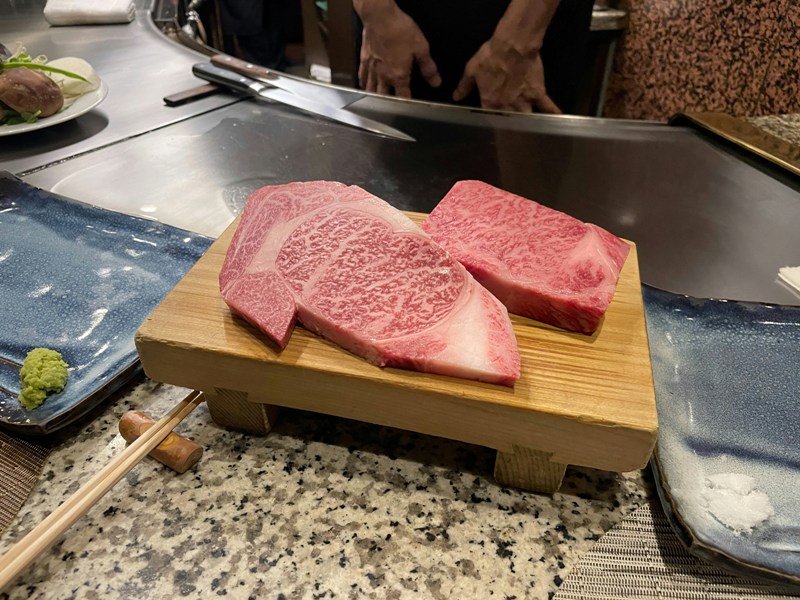
For truly once-in-a-lifetime occasions, Wagyu beef (particularly authentic Japanese Kobe beef) represents the absolute pinnacle of steak luxury. These cattle are raised using meticulous techniques that produce extraordinary marbling, creating meat so tender it can be cut with a fork.
Best For: Monumental celebrations, impressing VIP guests, or fulfilling bucket-list culinary experiences. The substantial investment requires an equally significant occasion to justify the expense.
Preparation Notes: The intense marbling means Wagyu requires careful cooking—less time than conventional steaks due to abundant fat content. Many chefs recommend slicing Wagyu thin and serving smaller portions, as the richness satisfies quickly.
Versatile Cuts for Everyday Excellence
These reliable, consistently delicious cuts bridge the gap between special occasion luxury and everyday accessibility. They offer excellent flavor and tenderness while remaining budget-friendly enough for regular enjoyment.
New York Strip: The Steakhouse Standard
Also known as strip steak, Kansas City strip, or top loin, this cut delivers robust beef flavor with satisfying tenderness. It contains moderate marbling that provides juiciness without the overwhelming richness of ribeye, making it perfect for those who want substantial flavor without excessive fat.
Best For: Weekend dinners, date nights, casual dinner parties, or any time you want a quality steak experience without breaking the bank. The strip steak’s versatility makes it suitable for diverse occasions from backyard grills to intimate dinners.
Cooking Versatility: Strip steak performs beautifully with virtually any cooking method—grilling, pan-searing, broiling, or reverse-searing. Its moderate fat content makes it forgiving while still developing excellent crust and maintaining juiciness.
Serving Suggestions: Pair New York strip with classic steakhouse sides like baked potatoes, creamed spinach, or sautéed mushrooms. The beef-forward flavor stands up well to bold sauces like chimichurri or peppercorn cream.

Top Sirloin: Quality Meets Value
Top sirloin represents an excellent middle ground between premium cuts and budget options. While not quite as tender as loin cuts, properly prepared top sirloin delivers satisfying beef flavor and pleasant texture at significantly lower prices than filet or ribeye.
Best For: Family dinners, weeknight meals, steak fajitas, stir-fries, kebabs, or feeding larger groups without excessive expense. This cut’s affordability makes it practical for regular steak dinners rather than saving meat for special occasions only.
Preparation Tips: Marinating top sirloin for several hours enhances tenderness and adds complementary flavors. Slice against the grain after cooking to maximize tenderness. Avoid cooking past medium to prevent toughness.
Versatile Applications: Beyond traditional steak presentations, top sirloin excels in dishes requiring sliced or cubed beef—tacos, salads, pasta dishes, or Asian-inspired preparations where the beef mingles with bold seasonings and sauces.
| Cut Name | Tenderness Level | Flavor Intensity | Best Cooking Method |
|---|---|---|---|
| Filet Mignon | Extremely Tender | Mild, Delicate | Pan-sear, Grill |
| Ribeye | Very Tender | Rich, Beefy | Grill, Pan-sear |
| New York Strip | Tender | Bold, Beefy | Grill, Broil, Pan-sear |
| Top Sirloin | Moderately Tender | Good Beef Flavor | Grill, Stir-fry |
Budget-Friendly Cuts That Deliver Big Flavor
Don’t let budget constraints prevent you from enjoying delicious steak. These economical cuts reward proper preparation with outstanding flavor, proving that memorable steak experiences don’t always require premium prices.
Flank Steak: Lean and Flavorful
Flank steak comes from the cow’s abdominal muscles, resulting in a lean cut with pronounced beef flavor and distinctive long muscle fibers. While less tender than premium cuts, proper preparation transforms flank into a delicious, satisfying meal at a fraction of the cost.
Best For: Fajitas, steak tacos, stir-fries, Asian-inspired dishes, marinated grilled steak salads, or feeding crowds on a budget. The bold flavor stands up beautifully to assertive seasonings and marinades.
Preparation Essentials: Always marinate flank steak for at least 4 hours (overnight is better) to tenderize the meat. Cook quickly over high heat to medium-rare or medium. Absolutely critical: slice thinly against the grain after resting to maximize tenderness.
Cost Advantage: Expect to pay $8-$12 per pound for flank steak, making it one of the most economical options for beef that still delivers genuine steak character and flavor.
Skirt Steak: The Fajita Favorite
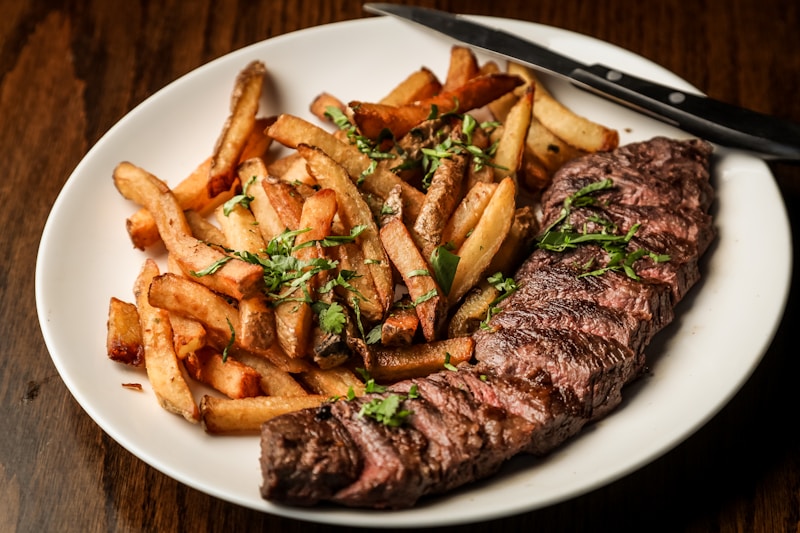
Skirt steak, cut from the plate section, offers even more intense beef flavor than flank with a slightly looser grain structure. This thin, long cut cooks lightning-fast and absorbs marinades beautifully, making it ideal for highly seasoned preparations.
Best For: Classic fajitas, carne asada, quick weeknight dinners, Philly cheesesteaks, or any preparation featuring bold flavors and quick cooking. Mexican and Tex-Mex cuisines particularly showcase skirt steak’s qualities.
Cooking Speed: Skirt steak’s thinness means it cooks in just 2-3 minutes per side over high heat. Watch carefully to avoid overcooking, which quickly toughens this cut. Rest briefly and slice thin against the grain immediately before serving.
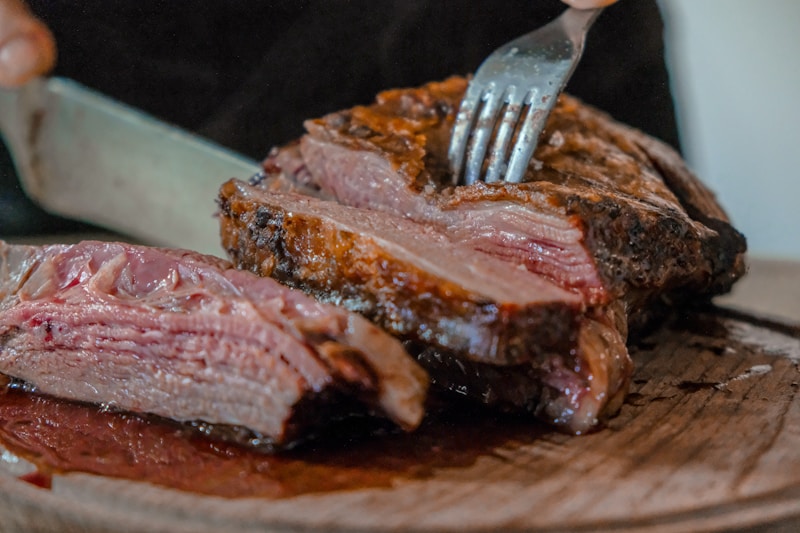
Flat Iron Steak: Hidden Gem
Once a butcher’s secret, flat iron steak comes from the shoulder and ranks as the second-most tender cut after tenderloin when properly trimmed. Its combination of tenderness, rich flavor, and affordable price makes it an outstanding value choice.
Best For: Grilling, pan-searing, Sunday dinners, casual entertaining, or introducing steak skeptics to quality beef without premium investment. The tender texture surprises guests unfamiliar with this lesser-known cut.
Preparation Simplicity: Unlike flank and skirt, flat iron doesn’t require extensive marinating. Simple seasoning with salt and pepper suffices. Cook to medium-rare or medium for optimal texture and juice retention.
⚠️ Budget Cut Success Rules
Never Skip Marinating: For flank and skirt, marinating isn’t optional—it’s essential for tenderness
Watch Doneness Carefully: These leaner cuts become tough when overcooked past medium
Slice Against the Grain: This single step makes the difference between chewy and tender
Use High Heat: Quick, hot cooking sears exterior while preserving interior moisture
Showstopper Cuts for Entertaining
When you’re hosting dinner parties or want to make a dramatic impression, these oversized, bone-in cuts create visual impact while delivering exceptional flavor. These steaks become conversation pieces before the first bite.
Porterhouse: Two Steaks in One
The porterhouse combines a generous New York strip on one side of the T-shaped bone with a substantial filet mignon on the other. This massive cut typically weighs 24-32 ounces, making it perfect for sharing between two people or impressing with sheer size.
Best For: Dinner parties, celebrating with another steak lover, impressive date nights, or when you want the best of both worlds—strip steak’s bold flavor and filet’s buttery tenderness on one plate.
Size Comparison: The porterhouse differs from T-bone by the filet portion size. USDA regulations require porterhouse filets to measure at least 1.25 inches wide, while T-bones contain smaller filet sections. Both deliver excellent flavor, but porterhouse provides more of that prized tenderloin.
Cooking Challenge: The varying thicknesses of the two muscles make even cooking tricky. Start the thicker strip side closer to heat, then rotate to allow the thinner filet portion to finish simultaneously. Many chefs use the reverse-sear method for better control.
Tomahawk Ribeye: Instagram-Worthy Presentation
The tomahawk ribeye is essentially a bone-in ribeye with an extended, French-trimmed rib bone left long for dramatic presentation. This “handle” creates a stunning visual that photographs beautifully and impresses every guest at your table.
Best For: Milestone celebrations, impressing dinner guests, special occasions where presentation matters as much as flavor, or when you want to create shareable social media moments. The tomahawk makes a statement before anyone tastes a bite.
Cooking Considerations: The large bone acts as an insulator, affecting heat distribution. Allow extra cooking time and monitor temperature carefully in the meat portion closest to the bone. The reverse-sear method works exceptionally well for tomahawks.
Serving Style: Most people slice tomahawk steaks and serve family-style, allowing everyone to enjoy portions of this impressive cut. The bone can later be used to make rich beef stock or given to fortunate pets.
Prime Rib Steak (Bone-In Ribeye)
Cut from the same primal section as ribeye but featuring the rib bone intact, prime rib steak offers superior flavor complexity attributed to cooking meat on the bone. The bone conducts heat differently, creating subtle flavor variations throughout the meat.
Best For: Holiday dinners, Sunday supper gatherings, traditional steakhouse experiences at home, or when you want ribeye’s rich flavor with added bone-in appeal.
Price Advantage: Bone-in ribeye typically costs less per pound than boneless because it requires less butchering labor, though the bone adds weight. You get similar eating quality at a slightly better value.
Best Cuts for Grilling and BBQ Gatherings
Summer cookouts, tailgate parties, and backyard gatherings call for steaks that shine on the grill while feeding crowds efficiently. These cuts balance cost, flavor, and grilling performance perfectly for outdoor entertaining.
Strip Steak: The Grill Master’s Choice
New York strip excels on the grill thanks to its moderate fat content—enough for flavor and crust development without causing excessive flare-ups. Its uniform thickness ensures consistent cooking, making it ideal when preparing multiple steaks simultaneously.
Best For: Backyard BBQ parties, Father’s Day cookouts, tailgating, Fourth of July celebrations, or any outdoor gathering where you’re grilling for a crowd. Strip steak’s reliability helps even novice grill cooks achieve impressive results.
Grilling Technique: Create two heat zones on your grill—direct high heat for searing and indirect moderate heat for finishing. Sear strip steaks 2-3 minutes per side over direct heat, then move to indirect heat until reaching desired doneness.
Top Sirloin: Budget-Friendly Crowd Pleaser
When feeding large groups, top sirloin’s combination of good flavor and economical pricing makes it the practical choice. You can afford generous portions for everyone without breaking your entertaining budget.
Best For: Large summer parties, neighborhood cookouts, graduation celebrations, casual gatherings where quantity matters as much as quality, or introducing children to properly grilled steak.
Marinade Recommendations: Give top sirloin a flavor boost with marinades featuring acidic components (citrus, vinegar, wine) combined with oil and seasonings. Marinate 2-8 hours before grilling for enhanced tenderness and taste.
Skirt and Flank: Fajita Perfection
These thin, flavorful cuts cook incredibly fast on high heat, making them perfect for quick-service outdoor gatherings where guests are hungry and you don’t want to spend hours over the grill.
Best For: Casual taco and fajita bars, Cinco de Mayo celebrations, budget-conscious cookouts, or interactive dining experiences where guests assemble their own plates with various toppings and sides.
Serving Strategy: Grill skirt or flank steaks whole, then slice thin against the grain. Set up a buffet with warm tortillas, grilled peppers and onions, various salsas, guacamole, and other toppings. Guests create their perfect tacos or fajitas.
🔥 Grilling Cut Comparison
✅ Excellent Grill Performers
- Strip Steak: Even thickness, moderate fat, consistent results
- Ribeye: High fat creates amazing charred crust
- Top Sirloin: Lean and affordable for large groups
- Skirt/Flank: Cook fast, ideal for fajitas
⚠️ Challenging on Grill
- Filet Mignon: Low fat can dry out; requires careful attention
- Porterhouse: Uneven thickness causes varying doneness
- Tomahawk: Large bone complicates heat distribution
- Thin Cuts: Easy to overcook quickly
Expert Selection and Buying Tips
Knowing which cut to buy represents only half the battle. Selecting quality specimens of that cut ensures your final result lives up to expectations. These expert guidelines help you consistently choose the best steaks available.
What to Look For When Buying Steak
Start by examining the steak’s color. Quality beef exhibits a deep cherry-red hue, never brown, gray, or discolored. The surface should appear slightly moist but never wet, slimy, or excessively dry. Any unpleasant odors indicate the meat has begun spoiling—fresh beef smells clean and faintly metallic.
Marbling quality varies significantly even within the same cut. Look for fine, evenly distributed white streaks throughout the meat rather than large fat deposits or sections without any marbling. More marbling generally means better flavor and tenderness, though personal preference plays a role.
Thickness matters enormously for proper cooking. Thin steaks (under 1 inch) overcook easily before developing proper crust, while excessively thick steaks (over 2.5 inches) challenge even experienced cooks. The sweet spot falls between 1.25 and 2 inches for most cuts, allowing excellent crust formation without interior overcooking.
| Quality Indicator | What to Look For | What to Avoid |
|---|---|---|
| Color | Deep cherry red | Brown, gray, or greenish tints |
| Marbling | Fine, even white streaks | Large fat chunks or no marbling |
| Moisture | Slightly moist surface | Wet, slimy, or excessively dry |
| Thickness | 1.25 to 2 inches | Under 1 inch or over 2.5 inches |
| Smell | Clean, faintly metallic | Sour, rotten, or strong odors |
Understanding Beef Grades
The USDA grades beef based on marbling and maturity. Prime represents the highest quality with abundant marbling, accounting for only 2-3% of all beef produced. These steaks deliver exceptional tenderness and flavor but command premium prices. Choice grade offers excellent quality with moderate marbling at more accessible prices, representing the sweet spot for most home cooks. Select grade contains minimal marbling and works better for braising or slow-cooking rather than grilling or pan-searing.
Beyond USDA grades, look for certifications like Certified Angus Beef, which requires meeting ten quality standards beyond standard Choice grade. Premium suppliers implement additional quality controls ensuring consistency across their product lines.
Fresh vs. Frozen: Breaking the Myths
Many people assume fresh always surpasses frozen, but modern flash-freezing technology preserves quality remarkably well. Premium suppliers freeze steaks at peak freshness using techniques that create microscopic ice crystals, preventing cellular damage that causes moisture loss and texture degradation.
Fresh steaks from quality butchers offer undeniable appeal, but frozen options from reputable sources like Omaha Steaks package deals provide convenience, consistent quality, and often better value. The key lies in proper thawing—always defrost in the refrigerator overnight, never at room temperature or in hot water.
✅ Smart Shopping Strategies
Build Relationships: Develop rapport with your butcher for insider tips and special cuts
Buy in Bulk: Purchase multiple steaks or variety packs for better per-pound pricing
Consider Timing: Shop early in the week when meat departments restock with freshest inventory
Ask Questions: Inquire about aging, sourcing, and cutting to ensure you’re getting what you expect
Inspect Packaging: Ensure vacuum-sealed packages show no tears, excessive liquid, or air exposure
Where to Buy Quality Steaks
Local butcher shops often provide superior quality and personalized service, allowing you to request specific thicknesses or custom cuts. They typically source from regional farms and can share detailed information about the beef’s origin and processing.
Specialty grocery stores with dedicated meat departments offer good selection and quality, though service levels vary. Warehouse clubs provide economical options when buying in quantity, particularly useful for large gatherings or stocking your freezer.
Online premium suppliers deliver restaurant-quality steaks directly to your door, often at competitive prices when purchasing package deals. The convenience factor combined with consistent quality makes this increasingly popular option worth exploring for special occasions or regular steak dinners.
Pairing Steaks with Occasions: Quick Reference Guide
This comprehensive reference matches specific occasions with ideal steak cuts, helping you make confident decisions for any event on your calendar. Consider the formality level, number of guests, cooking method, and budget when making your selection.
| Occasion Type | Recommended Cuts | Why It Works |
|---|---|---|
| Romantic Dinner | Filet Mignon, Ribeye | Elegant, tender, creates special atmosphere |
| Anniversary | Porterhouse, Wagyu, Filet | Impressive presentation, premium quality |
| Birthday Celebration | Tomahawk, Ribeye, Strip | Showstopper appeal, crowd-pleasing flavor |
| Father’s Day | Ribeye, Strip, T-Bone | Classic steakhouse cuts with bold flavor |
| Backyard BBQ | Strip, Top Sirloin, Skirt | Grill-friendly, feeds crowds efficiently |
| Weeknight Dinner | Top Sirloin, Flat Iron | Quick cooking, budget-friendly, delicious |
| Dinner Party | Strip, Ribeye, Porterhouse | Reliable results, impressive presentation |
| Game Day | Flank, Skirt, Top Sirloin | Great for tacos, sliders, casual eating |
| Holiday Feast | Prime Rib Steak, Tomahawk | Festive presentation, feeds family style |
| Graduation Party | Strip, Top Sirloin, Ribeye | Celebratory without excessive cost |
Seasonal Considerations
Summer: Lean toward grilling cuts like strip steak, top sirloin, and skirt steak. The hot weather favors outdoor cooking and lighter preparations. Serve with fresh salads, grilled vegetables, and chilled sides.
Fall/Winter: Richer, more marbled cuts like ribeye and bone-in options suit cooler weather. Indoor cooking methods like pan-searing and oven-finishing work perfectly. Pair with hearty sides like mashed potatoes, roasted root vegetables, and warm sauces.
Spring: Transitional season allows flexibility. Medium-marbled cuts like strip steak work well with both grilling and indoor methods. Fresh herb seasonings and lighter sauces complement the season’s renewal.
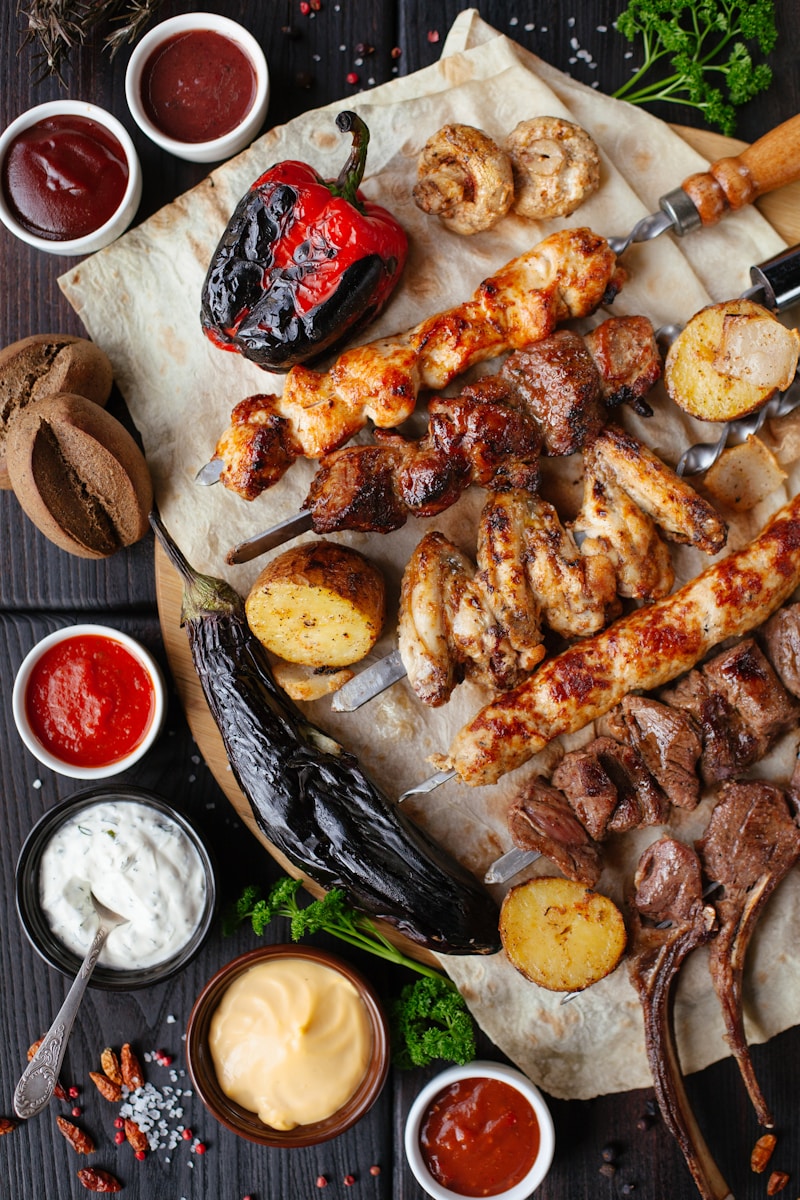
Budget Planning by Occasion
Allocate your steak budget appropriately based on the occasion’s significance. Premium cuts justify their cost for milestone celebrations, while everyday excellence comes from mid-range options that still deliver satisfaction.
🎯 Budget Allocation Guide
Special Occasions ($25-40/lb): Filet mignon, Wagyu, premium ribeye
Celebrations ($15-25/lb): Standard ribeye, porterhouse, tomahawk
Weekend Dinners ($12-18/lb): Strip steak, top sirloin, flat iron
Weeknight Meals ($8-12/lb): Sirloin, flank, skirt steak
Large Gatherings ($8-15/lb): Bulk sirloin, value packs, family cuts
Cooking Method Matching
Your available cooking equipment should influence cut selection. Some steaks perform better with specific methods, while others offer versatility across multiple techniques.
Best for Grilling: Strip steak, ribeye, top sirloin, skirt, and flank all excel on the grill with proper heat management and timing.
Best for Pan-Searing: Filet mignon, strip steak, and flat iron develop excellent crust in cast iron skillets with butter basting.
Best for Broiling: Strip steak and ribeye handle the intense overhead heat beautifully, creating steakhouse-style results indoors.
Best for Reverse-Searing: Thick-cut ribeye, porterhouse, and tomahawk benefit from the gentle oven start followed by high-heat sear finish.
Conclusion: Confidence in Every Cut
Selecting the perfect steak cut transforms from intimidating guesswork into confident decision-making when you understand each cut’s unique characteristics, ideal applications, and price considerations. Whether you’re planning an intimate anniversary dinner, hosting a summer cookout, or simply treating your family to a special weeknight meal, the right cut exists to match your occasion perfectly.
Remember that premium price tags don’t automatically mean better experiences—they mean different experiences suited to specific situations. A perfectly grilled top sirloin at a casual backyard gathering can create just as many smiles as a filet mignon at a formal dinner. The key lies in matching the cut’s qualities with your occasion’s needs, cooking method, and budget realities.
🎁 Ready to Order Premium Steaks?
Discover hand-selected, perfectly aged steaks delivered directly to your door with exclusive savings!
Explore curated collections featuring multiple cuts perfect for any occasion
View Package Deals →Your Action Plan for Steak Success
- Assess Your Occasion: Consider formality level, number of guests, and significance before selecting your cut
- Match Cooking Method: Choose cuts that work well with your available equipment and skill level
- Set Realistic Budget: Premium cuts for premium occasions, value cuts for regular enjoyment
- Source Quality Meat: Build relationships with reliable suppliers who consistently deliver quality
- Prepare Properly: Follow proper thawing, seasoning, and cooking techniques for each specific cut
- Learn and Adjust: Track what works well for your preferences and refine future selections
The world of steak cuts offers incredible variety, ensuring perfect options exist for every occasion, preference, and budget. From the buttery elegance of filet mignon to the bold richness of ribeye, from budget-friendly flank steak to impressive tomahawk presentations, each cut brings unique qualities that shine in the right context.
“The best steak isn’t necessarily the most expensive one—it’s the cut that perfectly matches your occasion, brings joy to your guests, and fits comfortably within your plans. Master this matching process, and you’ll create memorable steak experiences for years to come.”
— Professional Chef’s Wisdom
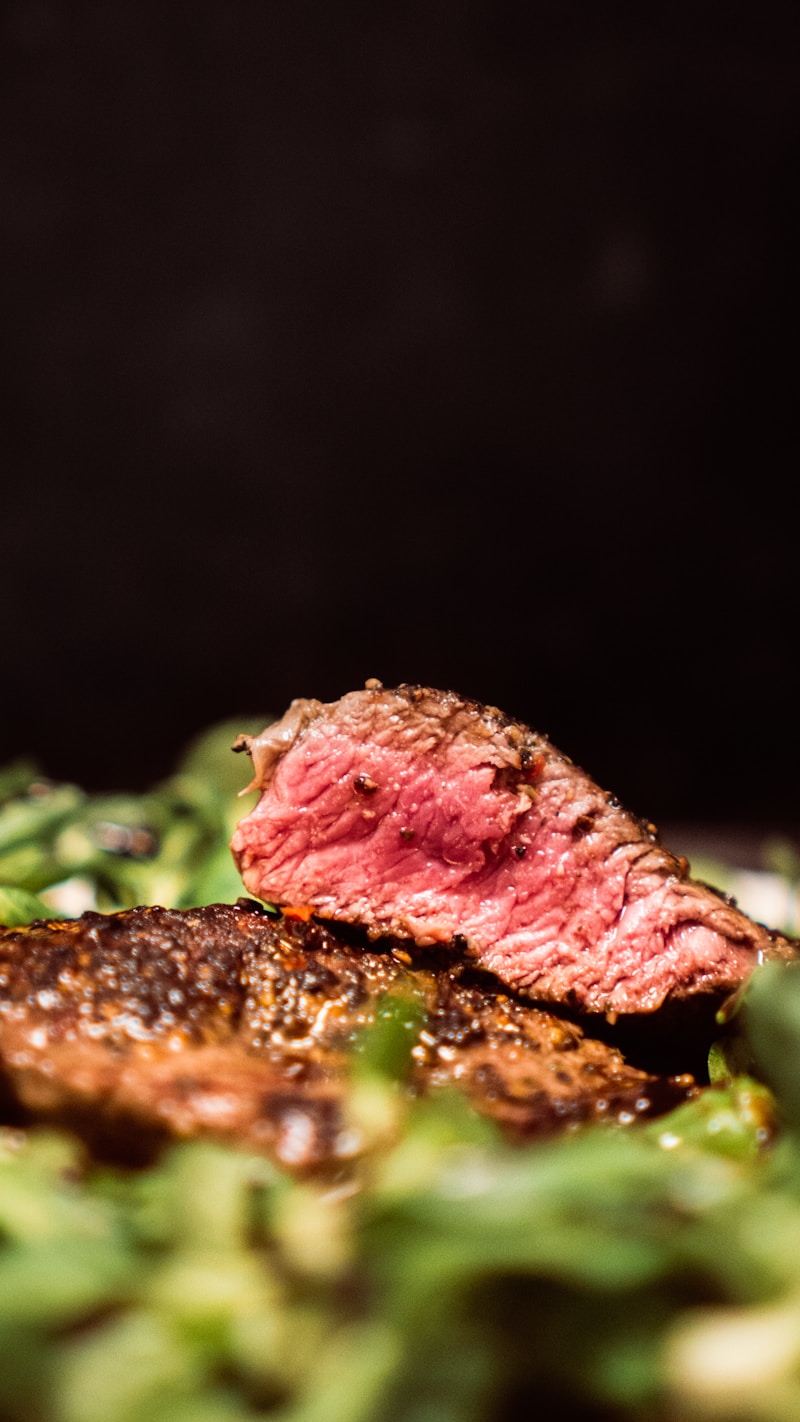
Building Your Steak Confidence
Start by experimenting with different cuts in low-pressure situations. Try top sirloin for a weeknight dinner, graduate to strip steak for weekend cooking, then tackle filet mignon when you feel ready for special occasions. Each experience builds knowledge and confidence.
Don’t hesitate to ask your butcher questions about specific cuts, cooking recommendations, or quality indicators. These professionals possess years of expertise and genuinely enjoy helping customers succeed with their purchases. Their insider knowledge often includes preparation tips that dramatically improve your results.
Keep notes about which cuts your family enjoys most, which cooking methods work best in your kitchen, and which suppliers deliver consistent quality. This personal reference becomes invaluable when planning future steak dinners and helps you refine your preferences over time.
💡 Final Expert Insight
The journey to steak mastery isn’t about memorizing every cut or cooking every variety. It’s about understanding enough to make confident choices that bring happiness to your table. Start with the cuts discussed in this guide, pay attention to what works for your specific situations, and gradually expand your repertoire as your confidence grows. Every perfectly matched steak-and-occasion pairing represents a small victory worth celebrating.
Beyond This Guide
Now that you understand how to choose the right steak cut for any occasion, continue your culinary education by mastering cooking techniques specific to each cut. Learn the nuances of temperature control, resting times, seasoning balance, and sauce pairings that elevate good steaks to extraordinary experiences.
Visit Omaha Steaks for detailed cooking guides, technique videos, and expert tips that complement your newfound selection knowledge. The combination of choosing the right cut and preparing it properly creates the foundation for steakhouse-quality results in your own home.
Remember that every steak dinner represents an opportunity—to celebrate, to connect with loved ones, to master a new skill, or simply to enjoy one of life’s great culinary pleasures. Choose your cuts wisely, prepare them with care, and savor every delicious moment. Your perfect steak experience awaits, whatever the occasion may be.
Share This Article:
